
“Grief is not a disorder, a disease or a sign of weakness. It is an emotional, physical and spiritual necessity, the price you pay for love. The only cure for grief is to grieve.”
Earl Grollman
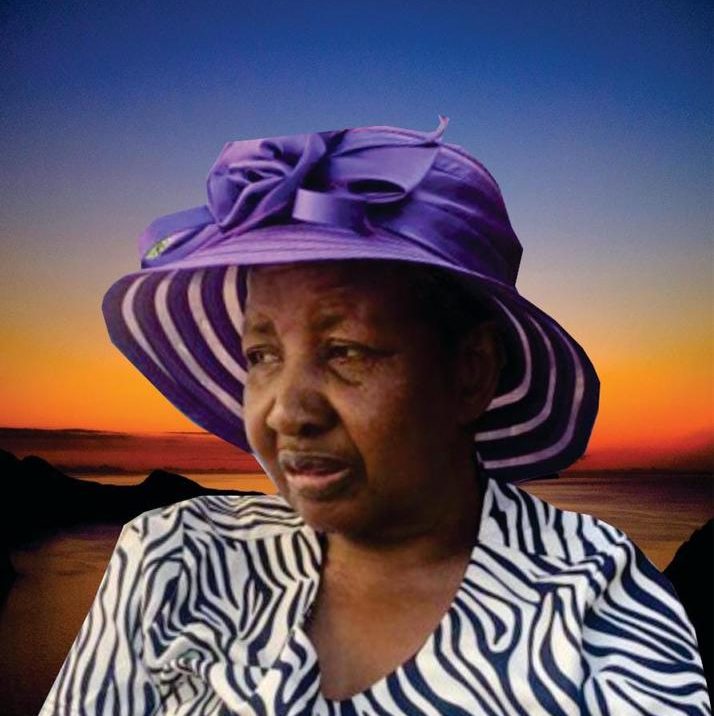
Keep resting in peace dear mum.
Sometimes You Think You Know, Then When You Know, You Realize You Did Not
The third quarter of the year is almost gone. I am amazed by this realization.
When Mum passed, just before the ‘new year,’ I felt 2023 would not exist in my brain. Luckily, I did not receive any “Happy New Year” messages. I do not know how I could have dealt with that. Looking back to this period and the time that has passed since then, there are various lessons I learned first-hand. They are not new lessons; sometimes, they are what I have heard or read about, but they made quite a different impact.
Grief Is Personal and Illogical
My experience may be quite different from how anyone else experiences grief. It felt like a truck of emotions had crushed my head, and I was unsure what to feel. My worst nightmare came true. How would we live in a world where Mum did not exist? It took me back to the previous year when daily routines included care for Mum. I found myself asking, “Were our efforts not enough?”
I do not know why this nagged me so much. There was something in me that felt there should have been a reward in the form of Mum getting a longer life because of our efforts. The calls and regular home visits. Engagement with different medical professionals on an ongoing basis. Even just love. I felt bitter that we deserved better results. We did our best! Our best should count. I wanted to imagine that it would make a difference. Just a few days before, the wound specialist had confirmed that the diabetic wounds that Mum had suffered for over a year, with weekly and later biweekly dressings, were finally healed. I still recall the WhatsApp message he sent me. “Just one more dressing and we are done!” he had said. When she passed, I called him, “Mum did not wait for the last dressing.”
“She wanted to go clean from the wounds,” he responded after a rather long pause.
Grief is not logical or predictable. It felt strange. I felt actual physical pain, and I struggled to breathe. I wondered if something physical was getting separated from my Mum and me. I felt bitter that we had lost Mum, not once but twice. We lost Mum when her memory started failing, and her speech was affected. The mother who always had stories and sarcastic comments could not express herself.
Grief is not logical. When in grief, one can easily make enemies. A wrong word said by a well-meaning person can sting. Some of it can be lasting. I recall when we had just placed flowers on my mum’s grave, and a friend had coaxed me into the sitting room where the family meal was being served. When I was about to sit down, someone asked me and a few “ladies” to take plates so we could serve some guests who had missed food. Luckily for him, he had done a lot, and I could not judge him, and I was too exhausted to react. So, I just told him, “Today I am only taking care of myself,” and he quickly realized his mistake and apologized. There is a world in which he would have become a permanent enemy—words, especially, sting. When you are in grief, it is not a time to be logical. Being very cautious about what you say to a grieving person can determine the future of your friendship.
However Long, It Feels Short
I recall a friend mourning that her dad was only 60 years old; how could he die that young? “He was not yet 70?” she said.
She imagined that if at least he was 70, this could have felt easier. I then shared how my dad passing on at 82 years felt young. I would see men who, in my view, were ‘older’ than my dad and start crying. For my mum, she was heading to 80, and I found myself comparing her with “older women” who were alive or had passed away at an older age. Why could she not have seen 96 years, for example, like one of my grandmas who had passed away the same year? Whenever I see any of her friends, who I imagine are her age mates, I wonder why she died ‘that young.’ Why her?
The long period of illness should have prepared us for her demise. Unfortunately, even a long period of illness does not quite prepare you. I recall feeling like my mum had just been walking on the road and got into an accident. She had ailed for a while. In the last year of her life, she said very few words. I kept wishing by some miracle, she could snap back, and I could ask her some questions and clarify some stories she had told us. I wanted to understand more about her experience living in the colonial era. She used to give us stories of how they had been punished because a colonial chief had been injured. Or how they were made to walk for long hours. I wanted to find out more about that. I wanted to understand the relationship with her parents. I wanted to hear again some of the stories she had told and retold, but I could not. While we had many long evenings of stories with her, a great storyteller, suddenly, it was not enough.
It Is Okay Not to Try
I remember going through grief and getting “practical” advice on what to do, sustaining our family bonds, etc. Well-meaning friends have no idea how this felt like a burden. I was not ready for any ‘burden’ or being responsible for anyone.
Sometimes, it is okay not to try.
I found this quite helpful later. For some time, I did not have it in me to try, to push my energy. I needed some recovery that was not possible with any trying. I sat in the dullness for the first few weeks, grateful for rest.
To motivate people, we often make the mistake of pushing someone to run when they are not ready to sit up. I recall feeling, “I do not have any tactics” to handle this. Nothing that I had known or used seemed enough. I just let me. I took a break—a break from trying. There is a category of humans where it is hard to be in this space with them as they have energy throughout—kids. I do not recall how I related to my son during this time. He is a jolly human being. I think we were good. I do not remember. While I sought counseling, I was not ready for that for some time. I did not have the energy to engage. I honestly have not experienced that level of lack of energy before.
It was mental and physical trying when I finally started, one step at a time. Practically. I recall struggling to walk 1 km. When I could walk 3 km, I was ready to seek therapy. I guess the challenge is to know when to start trying. And that must be the line between stepping back and falling into depression.
Then, one day, I was ready. I was ready to laugh. I could breathe.
And the sun keeps rising and setting. And it is beautiful.
 I am a child of the universe